
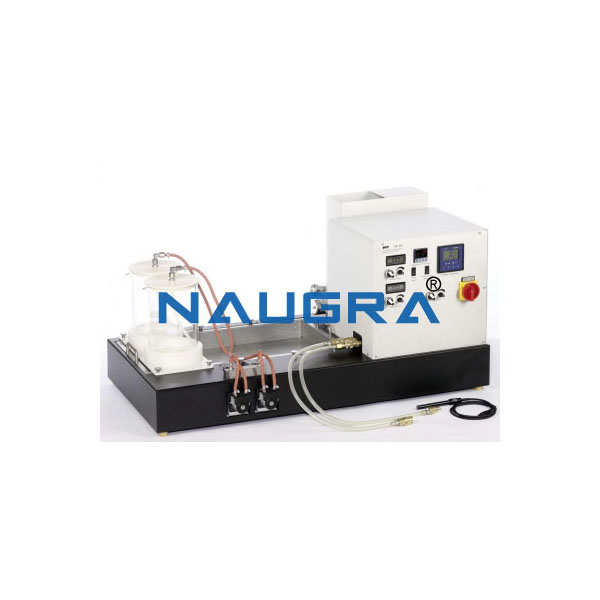
Anaerobic Reactors Apparatus
Product code: Biochemical0001Buy Anaerobic Reactors Apparatus from India
Anaerobic Reactors Apparatus
Biochemical practicals depend on keeping cultures at the right temperature, pH and agitation, and on measuring rates over several hours. Civil Mechanical India is among the Biochemical Engineering Lab Equipment manufacturers in India of bench-scale fermenters and reactors, and one of the suppliers in India who builds them with jacketed glass vessels.
The batch fermenter is a bench top stirred tank for growing microbial cultures, with control of temperature, pH and agitation. The continuous stirred tank bioreactor (CSTR) runs at steady state, so students study residence time, dilution rate and washout of the culture.
Enzyme work uses a batch enzyme reactor for reaction rate and Michaelis-Menten kinetics, and an immobilised enzyme reactor, a packed bed column with enzyme bound to beads in a jacketed glass column. The anaerobic reactors apparatus studies digestion of organic waste and biogas, and the chromatography apparatus separates biochemical mixtures. Pumps, feed tanks and sampling ports are provided on each unit.
Last updated: November 2026
Anaerobic Reactors Apparatus
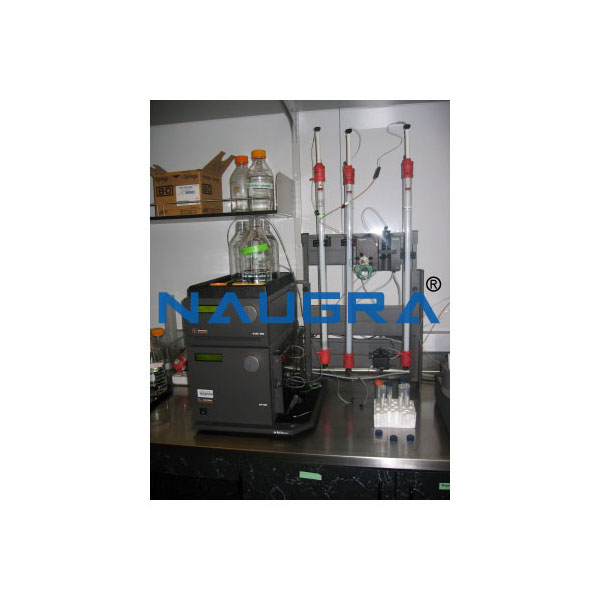
Chromatography Apparatus
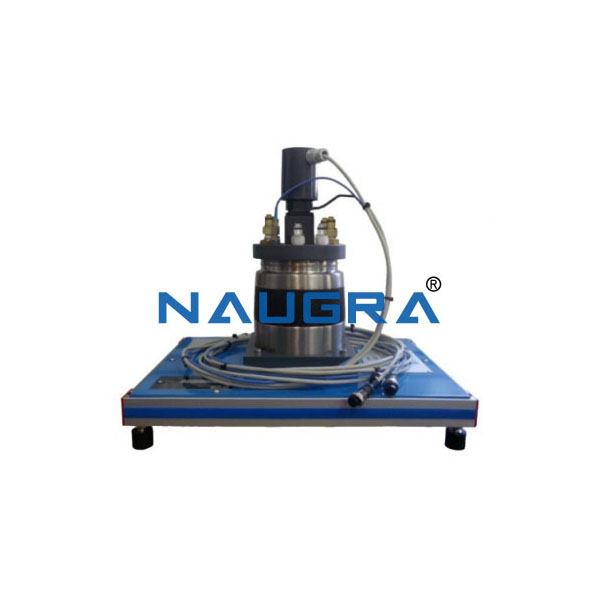
Batch Enzyme Reactor Apparatus
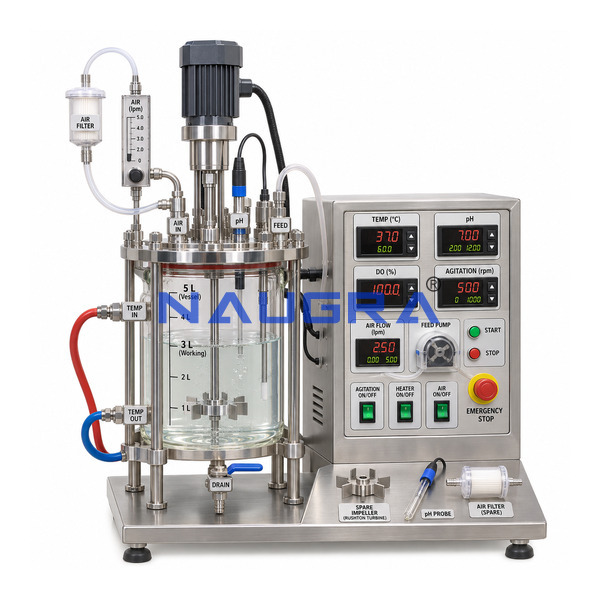
A bench top stirred tank fermenter for growing microbial cultures in batch mode with control of temperature, pH and agitation. Used in biotechnology and biochemical engineering teaching labs.
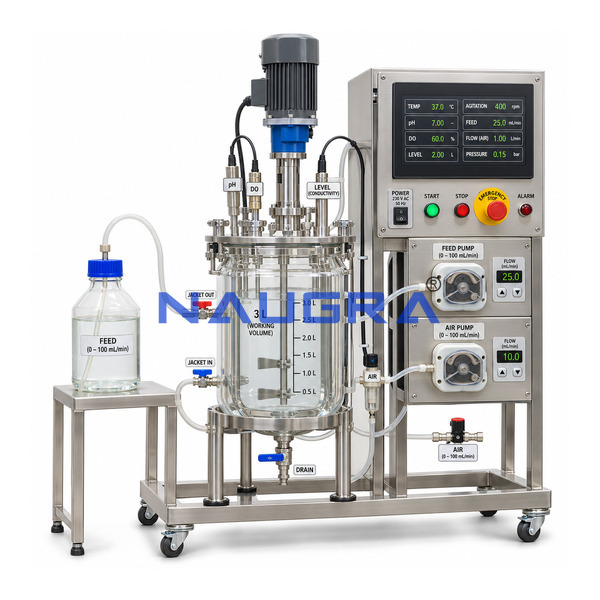
A continuous flow bioreactor setup for studying steady state operation, residence time and washout of microbial cultures. Used in biochemical engineering practicals. Features include peristaltic feed and harvest pumps, level control and temperature controlled jacket.
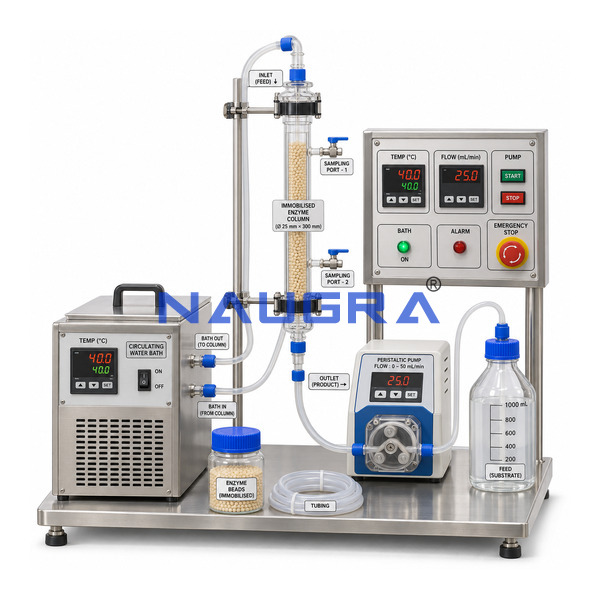
A packed bed column reactor with enzyme immobilised on beads for studying reaction rate with flow. Used in enzyme technology teaching. Features include jacketed glass column, peristaltic pump and water bath circulation.
| Function | Products | What to confirm |
|---|---|---|
| Fermentation | Batch Fermenter Apparatus, Continuous Stirred Tank Bioreactor | Vessel volume, agitation and aeration, temperature, pH and dissolved oxygen sensors, and sterilisation arrangements. |
| Enzyme reaction | Batch Enzyme Reactor Apparatus, Immobilised Enzyme Reactor Apparatus | Reactor volume, packed bed size, flow control, temperature jacket and material of construction. |
| Anaerobic digestion and separation | Anaerobic Reactors Apparatus, Chromatography Apparatus | Digester volume, gas collection, column dimensions, detectors and pumps. |
Chemical engineering equipment covers unit operations such as distillation, heat exchange, drying and reactors for inorganic or petrochemical processes. Biochemical equipment works with living cells and enzymes, so it adds sterile conditions, gentle agitation, pH control and long run times. A biotechnology department needs this range, while a chemical department may buy both.
See also: Chemical Engineering Lab Equipments
The complete Biochemical Engineering Lab Equipment range (6 products), in alphabetical order:
| Anaerobic Reactors Apparatus | Batch Enzyme Reactor Apparatus | Batch Fermenter Apparatus |
| Chromatography Apparatus | Continuous Stirred Tank Bioreactor | Immobilised Enzyme Reactor Apparatus |
Check the vessel volume (1 to 5 litres is common for teaching), the material (glass or stainless steel), the agitator type and speed range, and probes for temperature, pH and dissolved oxygen. Ask about the aeration pump, sterilisation method and the controller. Confirm that the sampling port and antifoam addition are included.
The batch enzyme reactor studies kinetics with enzyme and substrate mixed in a stirred vessel. The immobilised enzyme reactor keeps the enzyme on beads in a packed column so that substrate flows through and can be reused. Check the column dimensions, the pump flow range and the bead support supplied.
Anaerobic reactors need a sealed vessel, mixing, temperature control around 35 deg C and a gas collection arrangement. For chromatography, confirm the column size, the packing media, the pump or gravity feed and the detector or fraction collector. Supply of reagents is usually the buyer's responsibility.
Biotechnology, biochemical and chemical engineering departments in universities and colleges buy these for fermentation and enzyme technology practicals. Food technology and environmental engineering departments use the anaerobic digestion unit. Research laboratories use the bench-scale fermenters for early process studies before moving to pilot scale.
Small teaching fermenters are usually sterilised by autoclaving the glass vessel, while larger stainless steel versions may support steam sterilisation. State your preference when ordering.
Students maintain steady state, vary the dilution rate and observe washout of the culture at high rates, then compare the measured biomass and substrate levels with the theoretical chemostat model.
Samples are drawn at intervals and analysed by spectrophotometer or titration for product formation. The initial rate plotted against substrate concentration gives the Michaelis-Menten constants for the enzyme.
It digests organic waste such as sludge or food residue into biogas rich in methane, and students measure gas volume by displacement and track the fall in chemical oxygen demand.
Send the tender specification and the destination with the enquiry, and we will quote with power and utility details for that location, along with the glassware and probes needed for commissioning.
As established manufacturers and suppliers for tender requirements from India, we undertake civil laboratory and industrial testing tenders as well as bulk and OEM supply of mechanical engineering and testing laboratory equipment. Please forward your tender specifications and our team will prepare a detailed quotation for Biochemical Engineering Lab Equipment.
Send us your equipment list or tender specification. We quote against IS, BS, EN, ASTM and AASHTO standards and ship to 90+ countries.